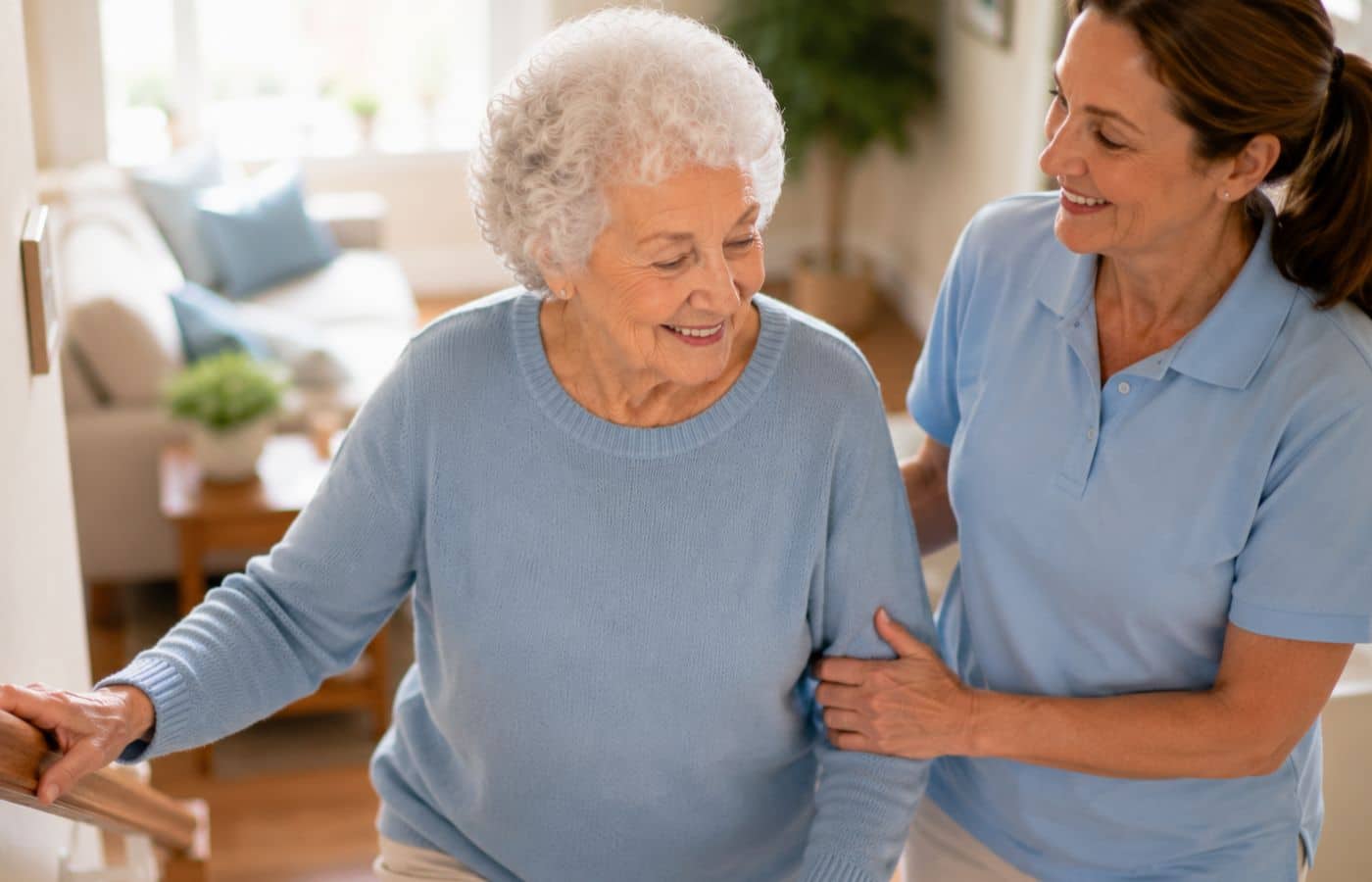


The encouraging news is that most falls are preventable, and often the simplest fixes make the biggest difference. Here's a room-by-room look at how to make a loved one's home safer, plus the personal habits that matter just as much.
Why Falls Happen
Before changing the home, it helps to understand what actually raises the risk. Falls are rarely just clumsiness — they usually come from a mix of factors:
- Medications. Some medicines cause dizziness, drowsiness, or confusion, and the more a person takes, the higher the risk. It's worth reviewing the full list with a doctor or pharmacist.
- Vision changes. Trouble seeing clearly, or poor lighting at night, makes hazards harder to spot.
- Muscle weakness and bone loss. Weakness in the legs and hips makes falls more likely, and osteoporosis makes any fall more serious.
- Balance and blood pressure. A sharp drop in blood pressure when standing up (postural hypotension) can cause a sudden loss of steadiness.
- Footwear and foot pain. Loose slippers, socks on smooth floors, and unsupportive shoes are common culprits.
- Home hazards. Clutter, loose rugs, cords, and poor lighting turn everyday paths into trip risks.
- Health conditions. Dementia, alcohol use, and poor sleep all raise the likelihood of a fall.
Knowing which of these apply to your loved one helps you focus on the changes that will help most.
Start With the Floors and Walkways
Most falls happen on level ground, tripping over something that shouldn't be there.
- Clear the paths: keep hallways and walking routes free of clutter, boxes, and cords.
- Deal with rugs: remove loose throw rugs, or secure them with non-slip backing or tape.
- Tidy the cords: run electrical and phone cords along walls, never across walkways.
- Watch for pets: food bowls, toys, and pets underfoot are common culprits.
Light the Way
Poor lighting turns small hazards into big risks.
- Use brighter bulbs throughout the home, especially on stairs and in hallways.
- Add night-lights in the bedroom, hallway, and bathroom for nighttime trips.
- Keep a lamp or light switch within easy reach of the bed.
Make the Bathroom Safer
Wet, hard surfaces make the bathroom one of the highest-risk rooms in the house.
- Install grab bars by the toilet and inside the shower or tub (towel racks are not a substitute).
- Add non-slip mats in the tub and on the floor.
- Consider a raised toilet seat, a shower chair, and a walk-in shower if possible.
Handle the Stairs
- Make sure there are sturdy handrails on both sides of every staircase.
- Keep steps clear and well-lit, and mark the edges with bright or contrasting tape if they're hard to see.
- Watch for that single, easy-to-miss step — people often trip where there's only one.
- If stairs become too difficult, look into rearranging the home so daily living happens on one level.
Keep Everyday Items Within Reach
In the kitchen and around the house, reaching and climbing lead to falls.
- Store frequently used items at waist or counter height, so there's no need to climb or stretch.
- Skip the step stool when possible; if one is truly needed, use a sturdy one with a handrail.
Build Strength and Steadiness
A safe home is only half of fall prevention. Staying strong and steady is one of the best defenses there is, and it's never too late to start. Gentle, regular activity — done at a pace that fits your loved one's ability — makes a real difference.
- Leg and lower-body strength. Strong legs keep a person upright. A simple wall exercise helps: standing with the back against a wall, slowly slide down toward a seated position, hold briefly, and rise back up. Repeat a few times.
- Balance training. Tai chi and gentle yoga are two of the most effective ways to improve balance and confidence on the feet.
- Everyday movement. Regular walks and light activity keep muscles and joints working.
- Support the basics. Good sleep improves alertness, and foods with enough calcium and vitamin D — along with plenty of fluids — support strong bones and prevent the dizziness that comes with dehydration.
Before starting any new exercise, it's smart to check with a doctor, especially if your loved one has already had a fall or feels unsteady.
Don't Overlook Vision, Footwear, and Medications
Three quick checks that prevent a surprising number of falls:
- Vision: schedule regular eye exams and keep glasses prescriptions current.
- Footwear: wear supportive, non-slip shoes. Loose slippers and socks on smooth floors are a common cause of slips.
- Medications: ask a doctor or pharmacist to review everything your loved one takes for side effects like dizziness or drowsiness.
When to Bring in Extra Help
If your loved one has already had a fall, feels unsteady, or is nervous about being alone, it may be time for more support. A fall is always worth a conversation with their doctor. And having a caregiver present — to help with bathing, moving safely around the home, and simply being there — can prevent the kind of fall that changes everything.
Fear of falling can be its own problem. When someone becomes afraid, they often stop moving, stop going out, and lose the very strength and confidence that keep them steady. The goal isn't to wrap a loved one in bubble wrap. It's to make a few thoughtful changes so they can keep living confidently, safely, and independently in the home they love.
Want a printable version to work through room by room? Use our AARP Preventing Falls Checklist. And for bigger changes like grab bars, ramps, or a walk-in shower, see our guide to home safety modifications.
Worried about a loved one's safety at home? We'd be glad to connect you with a caregiver who can help them stay safe and steady. Find a caregiver near you or call (888) 321-4711.
This article is for general information and isn't medical advice. Please talk with a doctor about your loved one's specific needs.
1+1 Cares is a referral agency that works for clients and caregivers. We match caregivers with clients and inform them of your requirements. We work for you so you and your loved one can have a safe, enjoyable caregiving experience.