

Small Changes at the Table, a Big Difference in How We Age
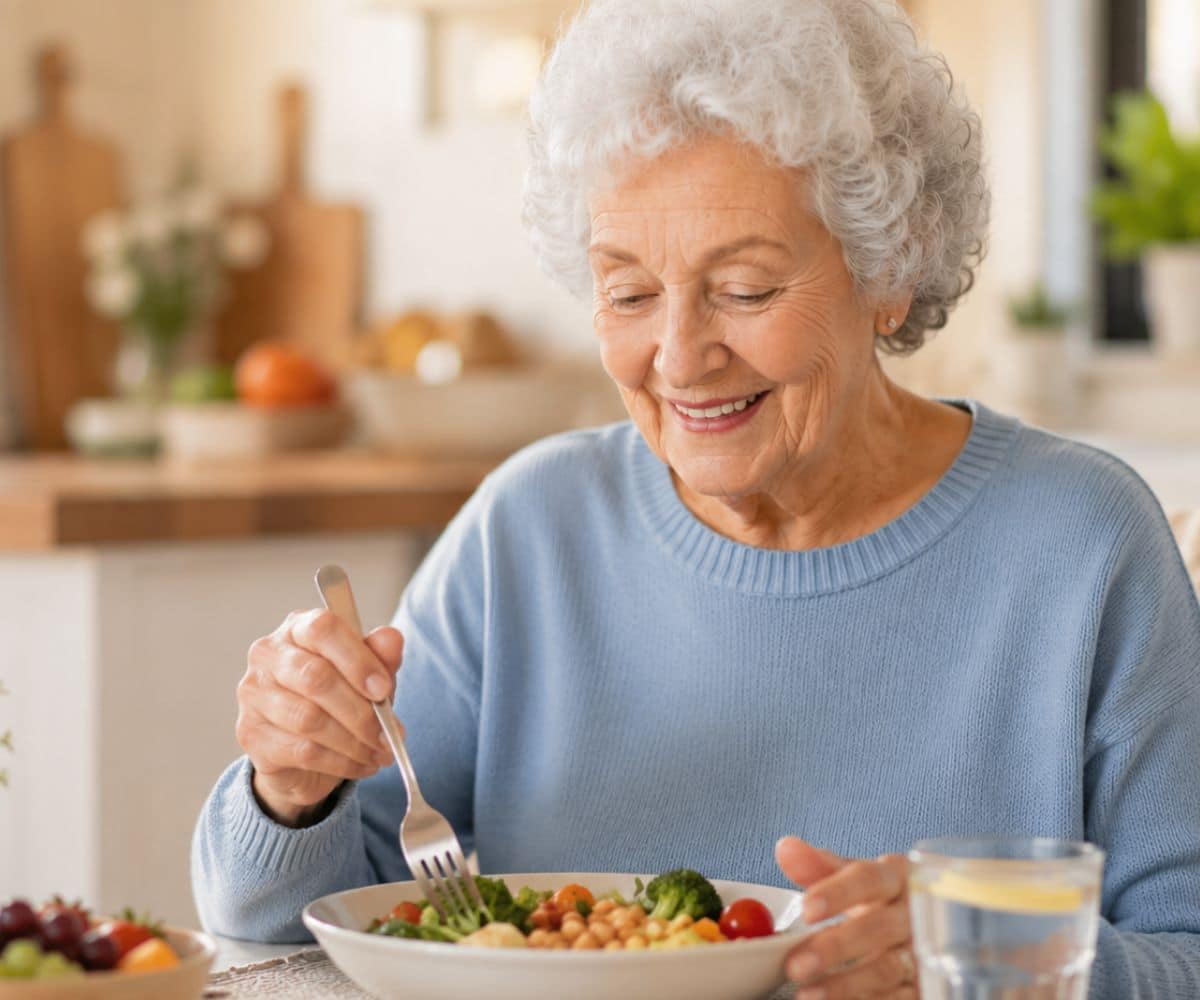
Food is one of the simplest, most powerful ways to support health later in life. It shapes energy, mood, strength, and how well the body fights off illness. But here's what many families don't realize: what a loved one needed nutritionally at 40 isn't quite what they need at 75. As we age, the body's needs shift, and a few small adjustments at the table can make a real difference. Here's a gentle, practical guide to helping an older loved one eat well.
Aging brings natural changes that affect how we eat. Appetite often shrinks, and the senses of taste and smell can fade, which makes food less appealing. The body also absorbs certain nutrients less efficiently, and it tends to need fewer calories overall. Some medications can dull appetite or change how nutrients are absorbed, too. That creates a real challenge: older adults need fewer calories but often more of certain nutrients. In other words, every bite counts a little more.
Protein helps preserve muscle, and muscle is what keeps a loved one strong, steady, and independent. Many older adults simply don't get enough. A few easy ways to help:
Dehydration is one of the most common and most overlooked issues in older adults. The body's thirst signal weakens with age, so a loved one may not feel thirsty even when they need water. Encourage small sips throughout the day, and remember that food helps too, since soups, fruits, and vegetables all add fluids. Keeping a favorite drink within reach or offering water-rich snacks like melon and cucumber makes it easier. Watch for signs like confusion, fatigue, or dizziness, which can point to dehydration.
A simple rule of thumb: the more color on the plate, the more nutrients on it. Fruits and vegetables deliver the vitamins, minerals, and fiber that support digestion, heart health, and steady energy. A few nutrients deserve extra attention as we age:
Trouble chewing, sore gums, ill-fitting dentures, or difficulty swallowing are common with age, and they can quietly shrink how much a loved one eats. If meals start taking much longer, if your loved one avoids certain foods or coughs while eating, it's worth a check-in with their dentist or doctor. In the meantime, softer options like soups, stews, mashed vegetables, and smoothies keep meals nourishing and easy to manage.
Sometimes the biggest barrier isn't what's on the plate, it's everything around it. A few things that help:
Many older adults are managing diabetes, high blood pressure, or heart disease, and food plays a big role in all of them. Watching added sugar, salt, and portion sizes can make a real difference, though the right balance depends on the person. Their doctor or a dietitian can help tailor meals to their specific needs and medications.
Keep an eye out for warning signs: unexplained weight loss, skipped meals, an empty fridge, or a loved one who says cooking has just become too much. Big changes in eating habits are often one of the first signs that a loved one could use more day-to-day support. These are worth a conversation with their doctor, and a registered dietitian can tailor advice to any medical conditions or medications.
And you don't have to manage it all on your own. An independent caregiver can help with grocery shopping, meal prep, and simply sharing a meal, which often does as much good as the food itself.
Eating well after 70 doesn't require a perfect diet or complicated rules. It really comes down to small, steady habits, and a little support when it's needed. Nourishing the body is one of the most loving things we can do for the people we care about.
Could your loved one use a hand with meals, groceries, or simply company at mealtime?
Schedule a call to learn more today! Reach out →
This article is for general information and isn't medical advice. Please talk with a doctor or dietitian about your loved one's specific needs.
1+1 Cares is a referral agency that works for clients and caregivers. We match caregivers with clients and inform them of your requirements. We work for you so you and your loved one can have a safe, enjoyable caregiving experience.





© 2026 1+1 Cares. |FAQs |Privacy Policy | Website Terms of Service |Sitemap | Websites by SOURCEsem